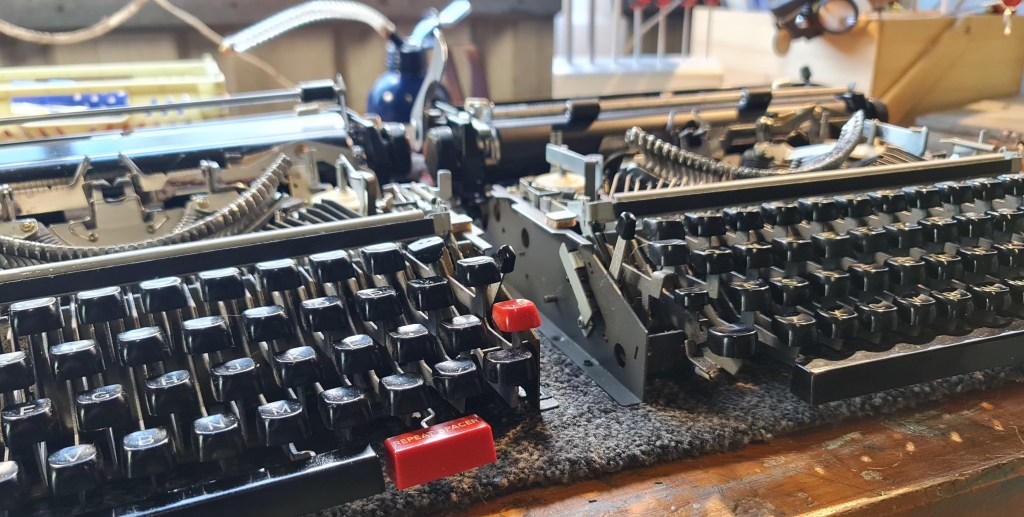
Typewriters are still being used in various parts of the world, often serving specific purposes or niche communities. Here are some regions and countries where typewriters remain relevant:
Developing Countries
- India: Widely used in government offices, schools, and rural areas due to limited access to computers.
- Africa (e.g., Nigeria, Ghana, Kenya): Typewriters are common in schools, offices, and markets.
- Southeast Asia (e.g., Indonesia, Vietnam): Used in rural areas, small businesses, and traditional markets.
Countries with Limited Digital Infrastructure
- Cuba: Typewriters are prevalent due to US embargo-related restrictions on technology imports.
- North Korea: Limited access to digital technology makes typewriters a primary writing tool.
- Myanmar (Burma): Typewriters are used in rural areas and government offices.
Niche Communities
- United States: Writers’ retreats, literary organizations, and vintage typewriter enthusiasts.
- United Kingdom: Some schools, writers’ groups, and retro-tech enthusiasts.
- Japan: Typewriter culture is thriving among writers, artists, and collectors.
Specific Industries
- Journalism: Some journalists use typewriters for note-taking and writing in areas with limited digital access.
- Education: Typewriters are used in some schools for teaching writing, typing, and literacy skills.
- Art and Design: Artists and designers incorporate typewriters into their creative processes.
Government and Official Use
- India’s Railways: Typewriters are used for generating train tickets and documentation.
- US Government: Some government agencies, like the CIA, use typewriters for secure communication.
- Russian Government: Typewriters are used for classified documents and secure communication.
Used in prisons in some parts of the world
- Security: No risk of digital hacking or contraband smuggling.
- Limited access to technology: Prisons often restrict or prohibit computers and mobile devices.
- Cost-effective: Typewriters are inexpensive and low-maintenance.
- Therapeutic benefits: Writing can help inmates cope with stress, anxiety, and rehabilitation.
 Type n Write - Sunshine Typewriters